More than just protection, a solid roof above your head is a necessary component of your house that needs appropriate maintenance. Still, roofs can present unique challenges, much like everything else. Knowing the most often occurring roofing issues and how to address them will help you avoid future difficulties and expensive repairs regardless of wear and tear or unplanned damage. Here is a list of eleven typical roofing problems, together with basic solutions.
Essential Tips For Your Roofing Repairs
Many things can harm a roof, including bad installation, deteriorating materials, or severe weather. Common reasons for leaks, missing shingles, and weakened structural integrity can include these ones. Key actions to properly fix these problems and keep a safe, secure roof for your house are described below.
- Leaky Roofs
Usually resulting from broken shingles, worn-out flashing, or clogged gutters, roof leaks are a typical issue that homes deal with. If ignored, a minor leak can rapidly become a far more major issue.
How to correct it?
- Find the leak source: Look for an obvious water entrance on your roof.
- Review shingles: Replace any immediately found holes, cracks, or missing shingles.
- Inspect flashing: if damage exists, replace the flashing totally or apply roofing cement.
- Cleared gutters: To stop water backup—which can lead to leaks—regularly clear trash from gutters.
- Missing or damaged shingles
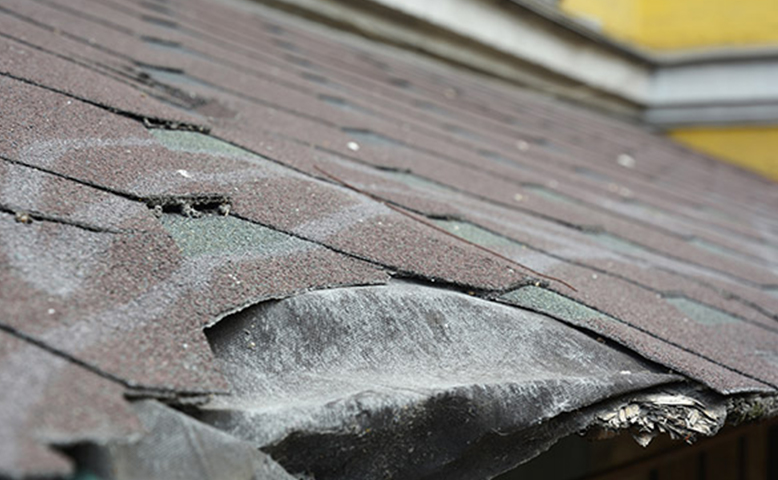
Strong winds, hail, or just aging can cause shingles to crumble, fracture, or disappear. Your roof may thus be left open to leaks and more damage.
To correct it:
- Replace missing or damaged shingles.
- See a local hardware store to match new shingles to your current roof.
- See a professional if you’re not at ease doing it on your own.
- Blocked gutters
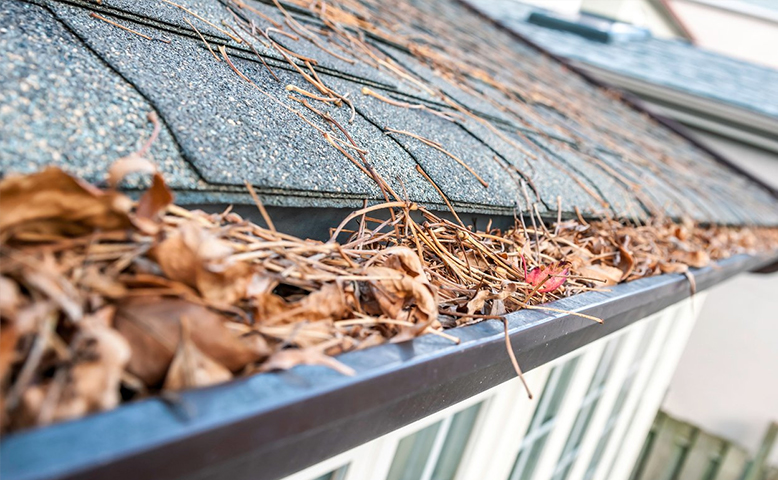
Directing water away from your roof and foundation calls for gutters. Leaves, twigs, and trash can all fill them over time and cause obstructions that result in water damage.
How would one correct it?
- Especially in the fall, at least twice a year, clean your gutters.
- Ladder-based safe removal of trash.
- To stop blockages going forward, think about putting in gutter guards.
- Insufficient Ventilation
Your attic may become a moisture-hotbed without enough ventilation, which would cause mildew, mold, and even structural damage.
How would one correct it?
- Make sure your attic boasts enough vents for appropriate airflow.
- If needed, add extra vents either at the roof’s peak or along the roofline.
- Correct ventilation controls temperature and helps to lower moisture accumulation.
- Sagging Roof
A sagging roof can be an indication of structural damage, such as compromised rafters or too much weight on the roof. It’s often caused by excess moisture, snow, or poor installation.
How to correct it?
- To fix that issue, follow these tips:
- See a specialist right now to evaluate the damage.
- As necessary to restore roof strength, replace weakened rafters or beams.
- Granule Loss
Granules are tiny, pebble-like particles covering asphalt shingles and shielding them from UV light. Age, temperature, or strong winds can all cause these grains to fade with time.
How to fix it:
It’s time to think about shingle replacement if you find grains in the yard or in your gutters. Changing broken shingles will aid in preserving the roof’s capacity to keep your house weatherproof.
- Cracked Flashing
To prevent water from seeping into your roof, flashing—a metal strip—is laid around vents, chimneys, and skylights.
How to fix it:
- Search flashing for corrosion or cracks around vents, chimneys, and skylights.
- Replace damaged flashing.
- For smaller cracks, use roofing cement as a temporary fix.
- Ice Dams
When snow melts off a roof and subsequently refreezes at the rooftops, ice dams develop, and improperly draining water is blocked. Leaks and other damage might result from water backing up under the shingles.
How can it be corrected?
Improving attic insulation and ventilation can help to avoid ice dams most of all. This ensures a more constant temperature of the roof surface. Should you be dealing with an existing ice dam, you can gently clear the snow and ice from the edge of your roof with a roof rake.
- Ponding Water
When rainwater doesn’t drain off correctly, flat rooftops are more likely to flood. The standing water over time might undermine the roof and result in leaks.
How might it be corrected?
Regularly cleaning the drains and gutters will help to guarantee appropriate drainage on the roof. To help with water runoff and stop pooling, you might also have to cover the roof with fresh coating or membrane
- Moss and Algae Growth
Particularly on shady sections of your roof, moss, and algae can begin growing in wet environments. These can create leaks by gradually degrading the shingles.
How to fix it:
- Treatment for your roof should involve a moss and algae remover.
- To stop further development along the roof ridge, install copper or zinc strips.
- Frequent roof cleaning helps to eliminate trash and stop moss or algae development.
- Shingle Curling and Buckling
Shingles that curl or buckle can no longer protect your roof effectively. Inappropriate installation, aging, or prolonged weather exposure can all lead to this.
How to fix it:
In most cases, you will need to replace the damaged shingles. However, if your entire roof is showing signs of curling or buckling, it may be time to replace the roof altogether.
Conclusion
Wear and tear is unavoidable whether or not you keep your roof in good condition. The solution is to remain proactive and deal with problems as they grow up. Frequent inspections and quick repairs help to maintain your roof in good shape, thereby ensuring that it will continue to shield your house and loved ones for many years to come.